A Clear Guide to Modern Diets
Modern eating styles—vegan, vegetarian, flexitarian and pescatarian—offer flexible ways to shift toward plant-forward meals. Each diet varies in its use of animal products but can support balanced nutrition through thoughtful protein, nutrient choices and adaptable bowl-based meals.
The Four Most Common Modern Diets
Many people today follow one of four broad eating styles: vegan, vegetarian, flexitarian or pescatarian. Each of these approaches shapes food choices differently, yet all of them can support balanced eating when you understand their structure. Some remove animal products entirely, others keep them in moderation, and some follow a mixed pattern that gradually shifts toward plant-forward meals.
These diets have grown in popularity because they are easy to adapt. Whether you’re looking for vegan lunches, simple vegetarian lunch ideas or clarity on what flexitarian means in practice, these patterns help you structure meals without strict menu plans.
What Each Diet Includes (and Avoids)
Knowing the basics of each eating style makes shopping, planning and choosing easy midweek meals more straightforward.
Vegan
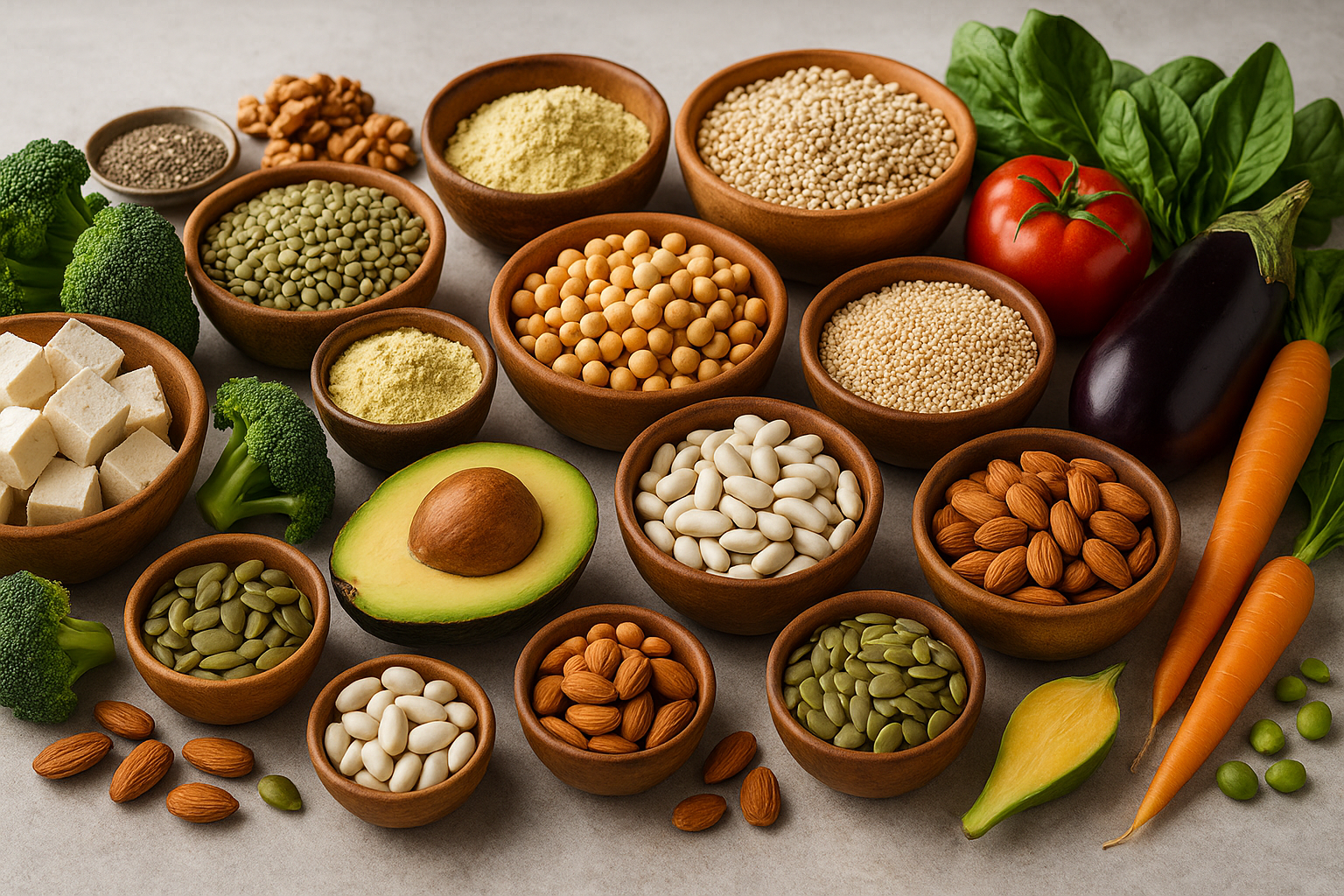
A vegan diet excludes all animal products: meat, fish, dairy, eggs and honey. It relies fully on plant ingredients such as vegetables, grains, legumes, nuts and seeds. People often search for vegan quick ideas to simplify everyday cooking.
Vegetarian
Vegetarianism removes meat and fish but keeps dairy and eggs. Some people include both, while others adjust combinations based on preference. Because it offers flexibility, it’s easy to build vegetarian lunch ideas that feel satisfying and varied.
Flexitarian
Sustainability, transparency, simplicity, and great taste. Flexitarian eating is mostly plant-based but includes occasional servings of meat or fish. The focus is on reducing animal products while still keeping them optional. When people ask what flexitarian means, they usually want clarity on this balance: meals are built around plants, but animal foods can appear when needed.
Pescatarian
A pescatarian diet includes fish and seafood but avoids meat. It keeps plant foods, dairy and eggs depending on personal choice. Searches like what is a pescatarian often come from people exploring a diet that maintains access to nutrient-rich seafood while reducing meat intake.
These four patterns offer different levels of structure, making them practical for a wide range of routines.
Typical Motivations Behind Each Diet
People choose these diets for reasons that go beyond simple preference. Understanding why they appeal to newcomers helps explain their continued growth.
Vegan
Many choose veganism for ethical, environmental or health reasons. They rely fully on plant ingredients and often look for recipes that simplify daily cooking. Vegan quick dishes, for example, make the diet easier to follow.
Vegetarian
Vegetarian eaters want to reduce meat while keeping dairy or eggs in their meals. They appreciate how easy it is to adapt everyday dishes without major restrictions. Interest in vegetarianism continues to grow among people seeking lighter weekday meals.
Flexitarian
Flexitarian eating appeals to those who want gradual change rather than strict rules. The main motivation is flexibility: you simply shift toward more plant-forward meals at a pace that fits your lifestyle.
Pescetarian
Pescatarian diets attract people who enjoy seafood or want nutrients commonly found in fish. Many see the pescatarian diet as a bridge between traditional eating and more plant-focused patterns.
Key Nutritional Considerations
Each diet has its own nutritional focus areas. These considerations help you make balanced choices while keeping meals enjoyable.
Protein
Protein sources vary across these diets. Vegan and vegetarian eaters use legumes, grains, nuts and tofu, while pescatarians include fish. Flexitarian patterns mix these protein sources but in different proportions.
Iron
Plant-based iron absorbs more effectively when paired with vitamin-C-rich foods such as peppers or citrus. This matters most for vegan, vegetarian and flexitarian eaters.
Vitamin B12
B12 is mainly found in animal products. Vegans rely on fortified foods or supplements, while vegetarians and pescatarians usually get B12 through dairy, eggs or seafood.
Omega-3 fatty acids
Vegan and vegetarian diets use seeds, walnuts or algae-based oils to cover omega-3 needs, while pescatarians obtain them naturally from fish. Flexitarians can use any of these options.
Calcium
Plant milks, fortified products and leafy greens help cover calcium needs in vegan diets. Vegetarians include dairy, and pescatarians often combine both approaches.
These considerations support simple, consistent choices without making your routine complicated.
How Balanced Bowls Fit All Four Eating Styles
Balanced bowls work across all four diets because they rely on the same core structure: a base of grains or vegetables, a protein, fresh elements and a flavour component. You only adjust the protein depending on your eating style.
Vegan bowls may use lentils, tofu or quinoa. Vegetarian bowls can include yoghurt-based dressings or eggs. Flexitarian bowls use mostly plant proteins with occasional fish or poultry. Pescatarian bowls place seafood at the centre and surround it with vegetables and grains.
This format makes easy midweek meals simpler by letting you swap ingredients without changing how the dish is built.
Downloadable Mini-Guide: Add 1–2 Plant-Based Lunches a Week
Small shifts help you understand new eating styles without pressure.
The goal is not to change your whole routine at once.
This approach gives you a starting point for exploring more plant-forward meals in a practical, sustainable way.
Join us on social media to stay inspired with new recipes, helpful tips, and the latest news from our kitchen