
Are Meat Alternatives Healthy? A Scientific Breakdown
The popularity of vegan meat alternatives is increasing. Many people are comparing them to traditional meat and other plant-based proteins. Some substitutes closely mimic meat, while others focus on having fewer ingredients. To understand their health effects, we need to examine what they contain, how they are made, and how they are produced.
This article highlights the key scientific factors that affect health outcomes. These include nutrients, fiber, types of fat, sodium, additives, and the processing methods used in modern substitutes.

How “healthy” is defined scientifically
Nutrition science defines healthy food as food that provides essential nutrients. It supports digestion and keeps saturated fat and sodium at safe levels. Healthy food also avoids unnecessary additives. A healthy eating pattern focuses on nutrient-rich foods. These foods help maintain steady energy, stable blood sugar, and long-term metabolic health.
When it comes to ready meals and meat substitutes, there are key factors to consider. These include protein quality, amino acid balance, fat type, fiber content, sodium levels, and the level of processing. These factors affect digestion, fullness, daily energy, and long-term wellness.
This article looks at these factors in different types of vegan meat alternatives. It covers pea-based products, vegan mince, soy-based substitutes, and mycelium-derived proteins.
Protein and essential nutrients
Most meat substitutes supply meaningful amounts of protein, though the quality of that protein varies by source. Soy- and pea-based proteins provide complete or near-complete amino acid profiles, supporting muscle maintenance and general metabolic function. Wheat protein also contributes substantial protein but is lower in certain amino acids, so pairing it with complementary foods can balance the profile.
Mycelium-based proteins develop naturally during fermentation. Their structure differs from extracted isolates, and research often highlights their ease of digestion. These proteins contain both amino acids and fibre, which can support fullness and provide steady energy throughout the day.
Protein density also differs across categories. Some substitutes match traditional meat gram for gram, while others contain more fillers or flavouring ingredients, reducing relative protein content. Checking the nutrition label helps identify these differences.
Fibre: a major difference from meat
One of the biggest nutritional distinctions between meat and plant-based substitutes is fibre. Traditional meat contains no dietary fibre. Many vegan alternatives provide 3–6 grams per serving, depending on the recipe. Fibre supports steady digestion, smoother blood sugar response, reduced hunger between meals and more stable energy.
Research shows that fibre supports a balanced gut microbiome and contributes to stable blood sugar regulation. Diets high in fibre are associated with lower inflammation, improved metabolic stability and better long-term blood sugar control.
Mycelium is naturally high in fibre, which distinguishes fermented proteins from soy isolates or highly refined pea concentrates. Mycelium’s fibre is built into its cell walls, so it stays intact during fermentation and cooking. This natural fibre structure supports digestion even when mycelium is used in ready meals.

Fat composition and saturated fat
The type of fat in a meat substitute matters as much as the amount. Many beef-style substitutes use coconut oil to create a firm texture, which increases saturated fat content. Cold coconut oil helps imitate the firmness of animal fat, but this method also raises the saturated fat levels of the final product.
Other substitutes rely on rapeseed or sunflower oil, which contain much less saturated fat. This difference results in lighter products that may be more suitable for individuals aiming to limit saturated fat intake for heart-health reasons.
Mycelium-based proteins generally require little added fat because fermentation creates their structure naturally. Soy- and pea-based products vary based on whether the goal is simplicity or meat-like realism. Products designed to mimic beef tend to include more added oils.
Sodium levels
Sodium content varies widely across meat substitutes. Products formulated to taste like seasoned meat often contain higher sodium, while simple base proteins designed for bowls or sauces contain less.
High sodium intake is linked to increased blood pressure and greater risk of heart-related conditions. Because many people consume more sodium than recommended, reviewing sodium levels in meat substitutes is an important part of assessing overall healthiness. Some products fall within a balanced range, whereas others approach or exceed recommended limits for a single serving.
Additives and formulation
Additives help maintain structure, hold moisture and keep flavour consistent. Their presence does not automatically make a food unhealthy. Instead, the key question is which additives are used and why they are included.
Examples include:
- a common plant-based binder that creates firmness
- natural flavours that keep taste consistent
- agents that support browning or moisture control
Mycelium-based proteins often need fewer additives because their fibrous network forms naturally as the organism grows. Soy and pea isolates typically need additional binders to recreate the firm structure of meat. Wheat protein (seitan) uses fewer additives overall but contains little fibre.
Using many different additives can indicate heavier processing, though many of these ingredients are widely used and well-studied. A shorter, easy-to-understand ingredient list is usually a sign of a simpler formulation.
Gut health and fibre-rich substitutes
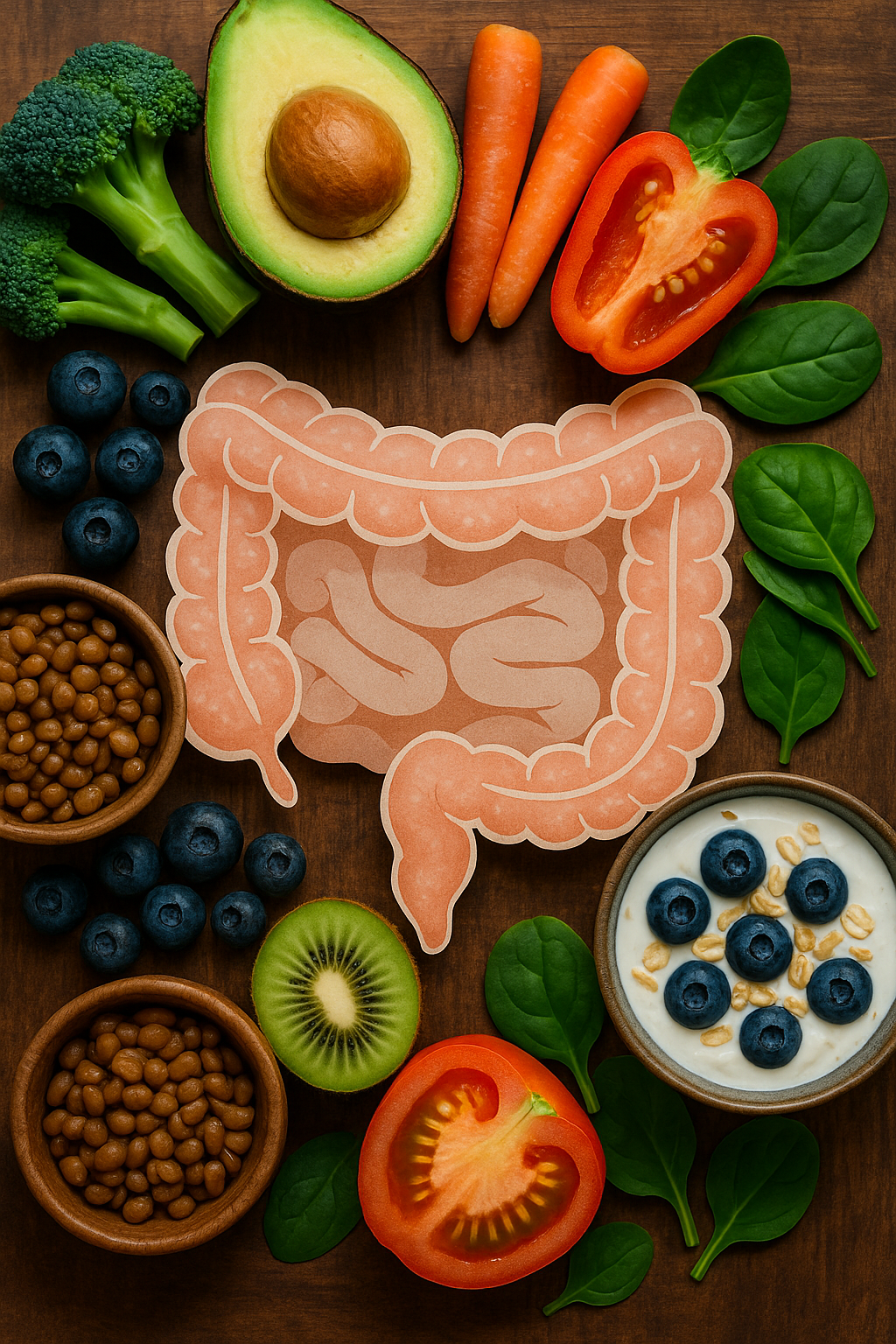
Fibre plays a central role in supporting gut health. It helps maintain a healthy balance of gut bacteria, improves digestion and supports more stable blood sugar levels. Many vegan meat alternatives contribute to this because they contain naturally occurring fibre.
Mycelium delivers both protein and fibre within the fungal cell wall. Soy and pea-based substitutes contain fibre when minimally processed, although isolates may lose fibre during extraction. Wheat protein supports texture but offers little fibre. These differences influence how quickly food moves through the digestive tract and how it is fermented by gut bacteria.
Processing differences
Processing describes the steps a food undergoes before it reaches the consumer. The level of processing varies between substitute types and does not by itself determine whether a food is healthy. What matters is how processing affects nutrient content, structure, fat use and additive requirements.
Soy products range from minimally processed tofu to more complex, engineered substitutes designed to resemble beef. Wheat protein (seitan) undergoes fewer steps and remains simple in structure. Pea-based substitutes require several extraction stages and must be reshaped through heat and pressure to form a meat-like texture.
Mycelium, however, grows into a cohesive mass during fermentation. Its texture forms biologically rather than mechanically, reducing the need for heavy restructuring. This gives mycelium a more natural texture compared with products built from extracted isolates.
Scientific view of simpler formulations
Research often highlights nutritional qualities associated with simpler formulations:
- lower saturated fat
- naturally occurring fibre
- moderate sodium
- fewer additives
- good protein availability
Mycelium and minimally processed soy products frequently fit these criteria. More engineered substitutes may prioritise meat-like texture over nutritional simplicity. Both can be included in a balanced diet, but they differ in nutritional focus and formulation strategy.
Join us on social media to stay inspired with new recipes, helpful tips, and the latest news from our kitchen