Fresh vs Frozen: A Clear Look at Ready Meals
This article compares fresh, chilled and frozen ready meals, explaining how processing affects texture, nutrition and digestion. It highlights why chilled, minimally processed bowls reheat best, deliver steady energy and offer a practical, healthy choice for everyday lunches.
Fresh, frozen & chilled: what’s the difference?
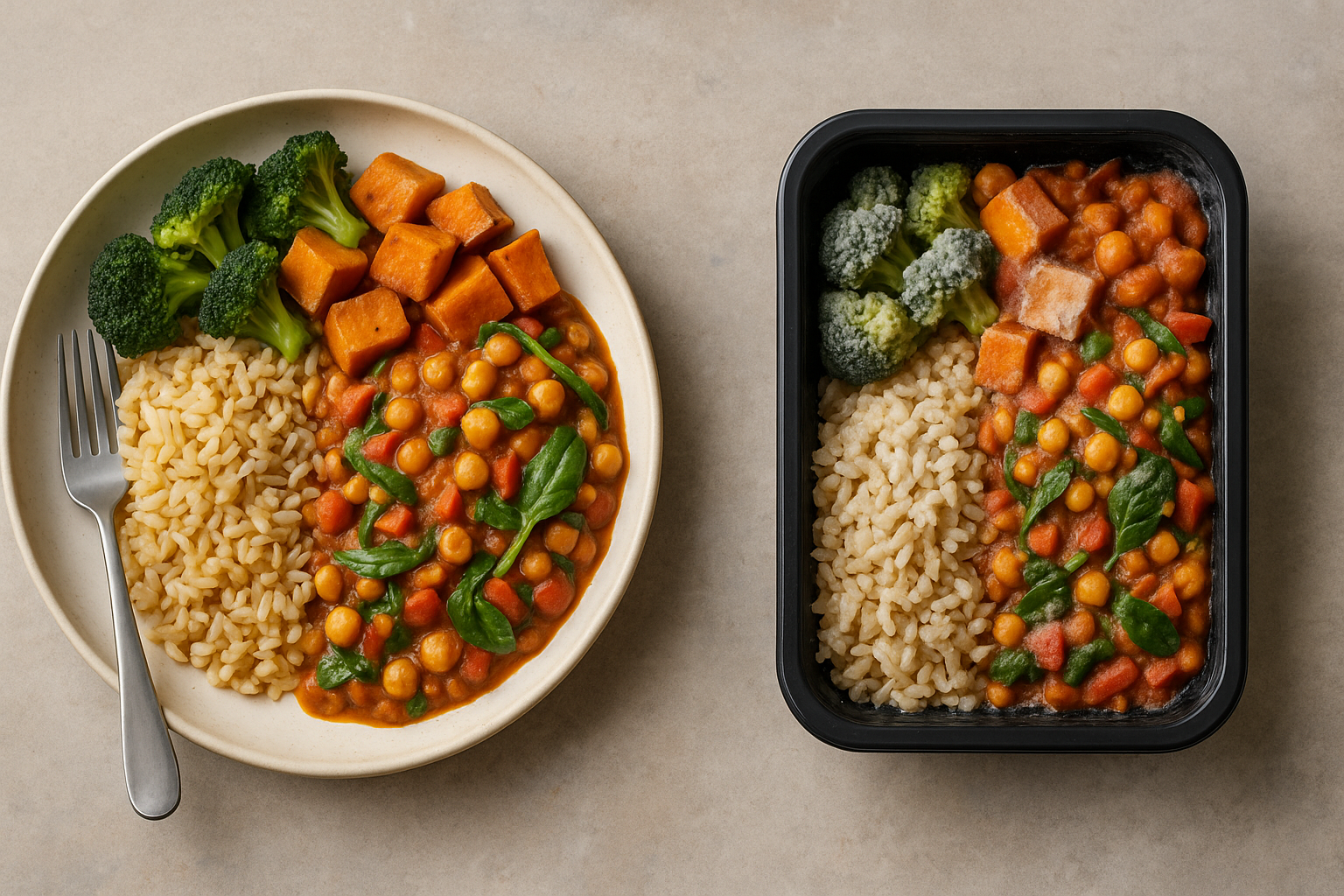
Prepared meals are available in three types. Fresh meals have a short shelf life and keep their natural texture. Chilled meals last longer because of controlled temperatures and sealed packaging. Frozen meals stay usable for months since deep freezing pauses activity inside the dish.
These differences become clear during heating. Fresh and chilled meals warm evenly, while frozen meals may need more time.
This influences texture, flavour and overall enjoyment. This explains why many people like bowl-style meals for lunch. They heat evenly and keep the original texture of the ingredients.
Many meals today are designed for quick and safe heating, helping customers enjoy a warm, satisfying dish without delay. This is where healthy microwave meals and quick microwave meals fit naturally into modern routines.
How processing affects nutrition
Processing shapes how a meal retains vitamins, fibre and plant-based diet protein. Fresh and chilled meals usually keep more of their natural structure because they go through fewer heating cycles. Vegetables, grains and proteins often hold their nutrients when they are lightly prepared and cooled.
Freezing also protects nutrients but may change texture when reheated. Vegetables can soften, and grains may become slightly denser. These changes do not remove nutrition but can alter the eating experience. Chilled meals sit between fresh and frozen, keeping more natural structure with a longer shelf life.
Microwaving warms food quickly without drying it out, which helps preserve texture. When meals are built from whole foods, heating does not reduce nutritional value significantly.
Digestion, satiety & energy: what your lunch does to you
Lunch influences how you feel for the rest of the day. Meals that digest slowly may leave you tired, while meals without substance fade quickly. Ready meals built with grains, vegetables and moderate protein give steady fuel and help maintain energy.
Bowl meals work well for digestion because they use balanced portions of grains, vegetables and protein. These components soften evenly during heating and create a comfortable eating experience. Quick microwave meals offer the same benefit because they heat consistently and deliver a reliable texture.
Frozen dishes can be filling, but their density sometimes leads to uneven heating. Chilled and fresh bowls avoid this because the ingredients are portioned to warm at a consistent pace.
Why fresh, minimally processed chilled meals win
Chilled ready meals perfectly balance convenience with the appeal of freshness. They keep their shape and natural texture while offering a longer shelf life than fully fresh dishes. They also reheat consistently, which makes them useful for lunch breaks.
People often choose chilled bowls because they offer a balanced structure. They warm quickly, maintain a fresh flavour and use familiar ingredients. They are easier to portion because chilled meals keep their structure, giving you a predictable result each time.
Frozen meals work well for long-term storage, but their texture does not always match what customers prefer in an everyday lunch. In contrast, chilled meals deliver dependable quality without requiring full meal preparation at home.
How to choose the healthiest ready meal on the shelf
Not all ready meals follow the same approach. When choosing the healthiest option, look for:
- short ingredient lists
- whole-food bases such as rice, quinoa or vegetables
- balanced sources of protein
- sauces made with simple, recognisable ingredients
- meals with separate components for even heating
When a meal is labelled as microwave-friendly, it usually signals that it reheats evenly. Meals with separate components tend to warm more predictably and hold their flavour.
Meals with whole grains and vegetables usually support steady energy, especially during workdays when you need reliable fuel. This applies to vegan ready meals, healthy ready meals and low calorie ready meals that focus on whole ingredients rather than heavy sauces. The same checks are useful when you order from prepared vegetarian meal delivery services and want dishes that feel both convenient and balanced.
What Defines a Bowl Meal
A bowl meal builds the dish around a clear structure: a base, vegetables and a protein layer. This structure makes bowls adaptable and consistent. You can mix the ingredients or eat them separately while still enjoying a balanced result.
A classic rice bowl builds the meal on a grain base. It creates a structure that reheats consistently and supports balanced ingredients.
A noodle bowl follows the same principle but provides a different texture. Both options spread heat evenly and support predictable results.
Many food traditions use bowl formats to present balanced meals. This is why bowl meals work across different cuisines: the structure stays the same, while the ingredients change.
Key bowl formats: Buddha, poke, pasta/noodle & burrito bowls
Different bowl formats deliver balance in their own way. Many buddha bowl recipes combine grains, vegetables and a light dressing. They warm well and keep their fresh character after reheating.
Poke bowls offer a mix of raw and cooked elements, though not all parts are meant for heating. Pasta and noodle bowls deliver warmth and comfort, making them favourable for workday lunches. Burrito bowls use grains, beans and vegetables to create a filling, layered meal.
These approaches show why bowls remain popular. They reheat predictably, offer balance and create variety without extra preparation.
Fusion bowls in modern cuisine
Fusion bowls blend ingredients from different food traditions while still following the core bowl structure. They often use grains, vegetables and sauces that complement one another. This helps them heat smoothly and keep their flavour.
Healthy microwave meals often follow a fusion approach because it supports colourful ingredients and layered flavours without adding complexity. For customers, this means they can enjoy new ideas without losing the comfort of a familiar format.
Fusion bowls also make it easier to explore new tastes at lunch. The bowl structure keeps the meal organised, while the ingredients provide variety.
Join us on social media to stay inspired with new recipes, helpful tips, and the latest news from our kitchen