From Bowl to New Paper: The Recycling Story
This article explains how paper bowls support sustainable packaging by using recyclable fibres, moving smoothly through UK recycling systems, and enabling circular reuse. It highlights why clean, simple materials reduce waste and how small customer actions help close the recycling loop.
Why packaging matters in fresh ready meals
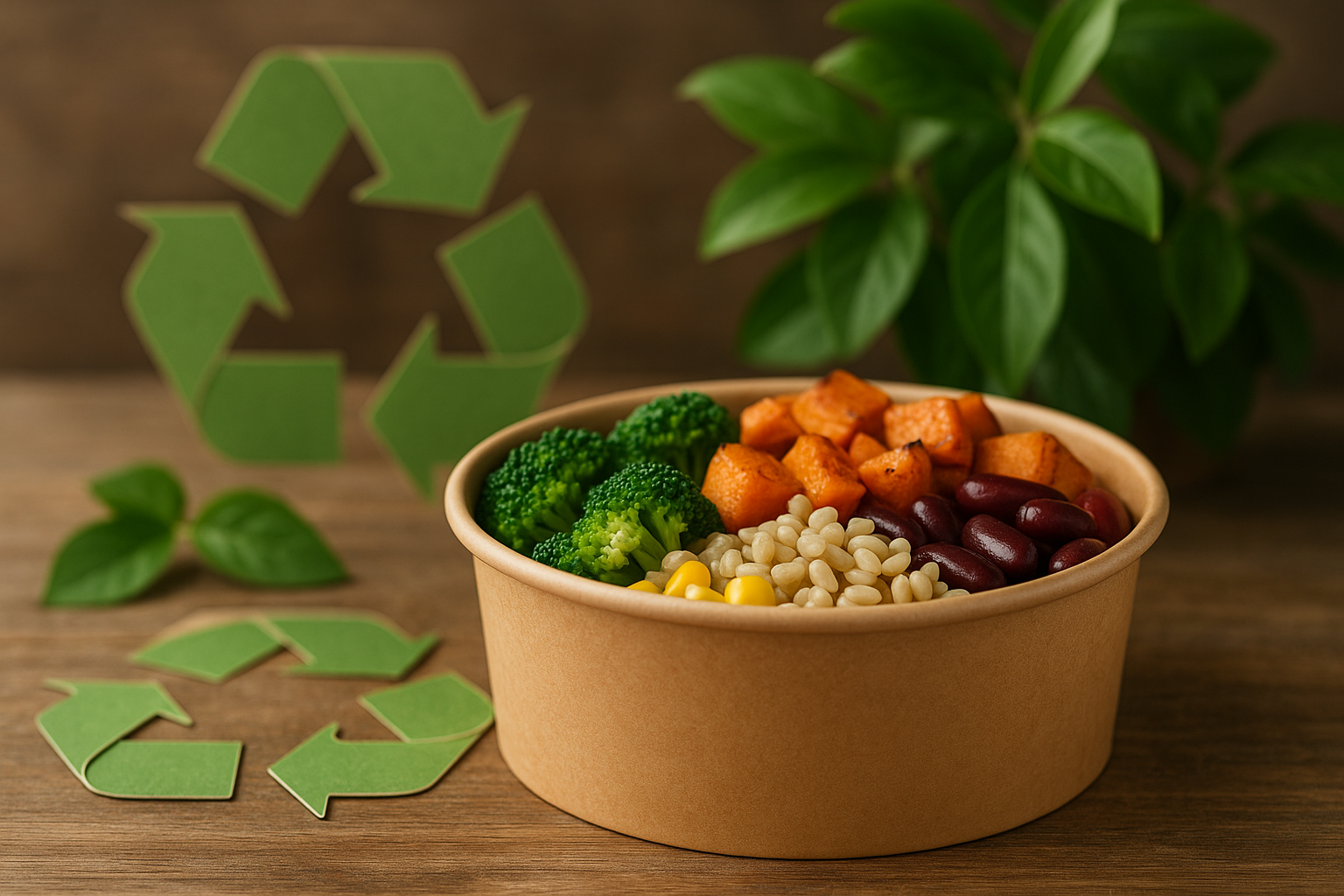
Packaging shapes how you experience fresh meals. It keeps food protected, holds its shape during transport and makes low calorie ready meals easy to grab when you need food to go. As more people search for healthy food near me, packaging becomes part of the overall eating experience. Customers want convenience, freshness and lower environmental impact at the same time. Good packaging supports all three by keeping meals intact while creating less waste after use. This is why eco-friendly packaging has become central to modern ready-meal choices.
What makes packaging “eco-friendly”
Eco-friendly packaging focuses on how a material behaves throughout its life cycle. It looks at how much material is required, how easily it can return to recycling systems and how low the overall footprint stays from creation to disposal. These points guide the decisions behind our paper bowls.
Paper-based packaging works well because it uses renewable fibres and can be recycled many times. For bowls, this includes the strength of the paper, how it withstands moisture and how smoothly it moves through UK recycling systems. When packaging uses simple, compatible materials, it reduces waste and makes disposal easier for you.
How paper bowls are recycled in the UK
Once you place paper bowls into recycling, they follow a clear process. Recycling facilities begin by sorting materials so that clean paper items move forward. Bowls with heavy food leftovers are removed, since these can disrupt the process.
After sorting, bowls enter a pulper. This machine mixes paper with water and gently breaks it down into fibres. Any thin protective layer inside the bowl is separated during this stage. UK mills are designed to manage this step efficiently, allowing the fibres to be recovered without losing strength. These fibres then join other recycled materials and become the base for new paper products.
Each recycling cycle extends the life of the fibres and reduces the need for new raw materials. This system works well because the fibres in paper bowls stay strong enough for several rounds of use.
When bowls can and cannot be recycled
Recycling depends on two things: bowl design and its condition after you finish your meal. Paper bowls often include a light inner coating to prevent leaks. When this coating fits UK recycling guidelines, the bowl remains recyclable.
Condition matters too. Bowls covered in a lot of leftover food or oil cannot go directly into recycling because they affect the fibre stream. A quick scrape makes a big difference. The bowl doesn’t need to be spotless—just free of large leftovers that would interfere with processing.
Understanding these basics helps you recycle with confidence and ensures more fibres return to circulation rather than ending up in general waste.
What recycled paper bowls become next
Once fibres from paper bowls pass through recycling, they can take on many new forms. They often become cardboard, kraft paper or the base for new packaging. Some fibres may return to food packaging, while others move into wider paper goods like notebooks or tissue.
Each “second life” helps reduce the demand for fresh materials. The more times a fibre is reused, the lower the overall environmental pressure. This continuous cycle shows how simple daily habits create meaningful long-term benefits.
How this supports circularity
Circularity focuses on keeping materials in use rather than letting them become waste. When a material can be recycled several times, it stays valuable and avoids landfill. Paper bowls support this loop because their fibres can be recovered repeatedly.
For customers, circularity makes recycling feel purposeful rather than confusing. You know that placing a bowl in the correct bin starts another round of use. For the environment, circular systems lower emissions, reduce pressure on forests and decrease the volume of discarded packaging. When simple choices—like recycling a bowl—feed into bigger systems, sustainability becomes easier to achieve at scale.
Our packaging choices
We use paper-based bowls, lids and labels because simpler materials are easier for customers to recycle. Using a single material type reduces confusion and supports smoother recycling at home and in public systems. This approach keeps our packaging practical while lowering its environmental impact.
Our goal is to offer meals that fit your day without creating unnecessary waste. Choosing recyclable materials helps us balance convenience with responsibility, making sure your packaging can be handled properly after use.
Future direction of sustainable packaging
Sustainable packaging continues to evolve. Brands across the UK are moving toward designs that use fewer materials, clearer recycling instructions and coatings that break down more easily during processing. These improvements help customers recycle correctly and help recycling facilities operate more effectively.
New developments—such as lighter fibre structures, improved paper coatings and digital recycling tools—will make sustainable packaging even simpler to use. As the food-to-go market grows, expectations will shift too. Customers increasingly want packaging that feels natural, easy to dispose of and aligned with a lower-waste lifestyle.
Paper bowls remain a strong choice because they balance convinience with environmental responsibility. When recycled, they help reduce waste, support circular systems and give fibres a useful second life. As recycling access continues to improve, your bowls will have even more opportunities to return to the system and become new products again.
How customers can help close the loop
Small steps make recycling more effective. Scraping out leftover food keeps fibres clean, placing bowls in the correct bin keeps streams clean and choosing recyclable packaging supports the broader system. These everyday habits help reduce waste and ensure that materials get reused rather than thrown away.
Recycling also builds awareness. When customers actively sort packaging, it encourages brands to keep improving. Every recycled bowl becomes part of the shift toward long-term sustainability.
Join us on social media to stay inspired with new recipes, helpful tips, and the latest news from our kitchen