Behind the Scenes: How Your Bowl Travels Fresh Across London
Cold-chain production keeps fresh bowls safe, crisp and structured from night-time prep to morning delivery. Rapid cooling, secure packaging and refrigerated transport ensure London shoppers enjoy consistently fresh, plant-forward meals that hold their flavour, texture and quality throughout the day.
Why cold-chain matters for safety and freshness
Cold-chain distribution keeps every bowl stable from the moment it leaves the kitchen until it reaches the customer. The process protects structure, flavour and temperature while reducing the risk of harmful changes during transport. This matters because people choosing healthy food near me expect meals that taste clean, hold their shape and feel fresh. Reliable cooling keeps vegetables firm, grains balanced and proteins consistent.
Temperature control also slows natural changes that begin once food leaves the kitchen. When handled correctly, bowls retain their colour, aroma and texture. This protects the eating experience whether the bowl is enjoyed immediately, taken to the office or carried home after purchase.
A well-managed cold-chain is not only a safety measure. It defines how the final meal feels. Without it, components would soften, wilt or lose flavour within hours. With it, customers receive structured meals ready for workdays, commutes and quick lunches across the city.
Night-time production and preparation
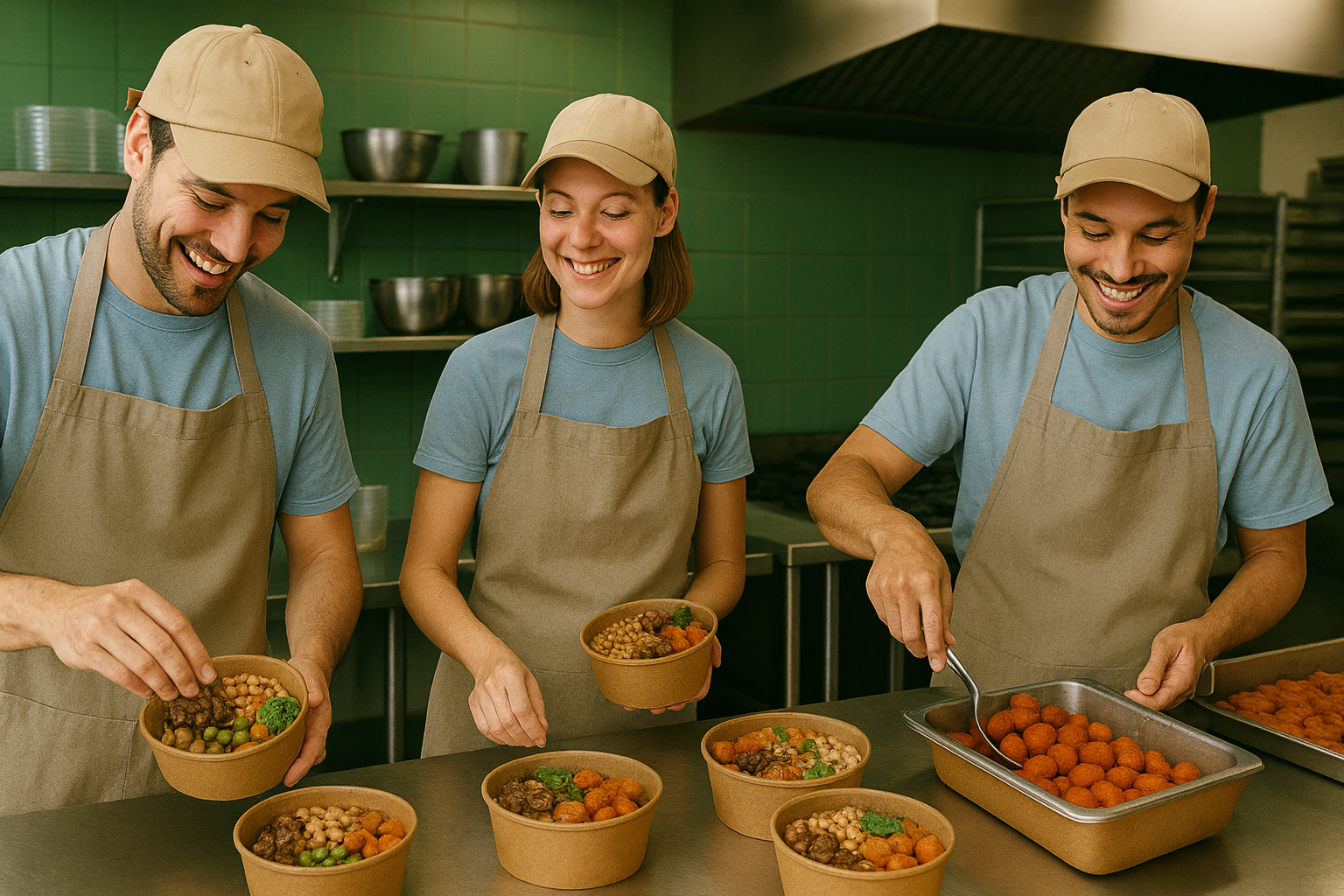
Production begins at night because this timing supports orderly movement from cooking to cooling. Vegetables are inspected, washed and cut in quick succession to protect freshness. Each vegetable is prepared according to how it behaves after cooling. Carrots need firmness, courgettes need controlled softness and cucumbers require moisture balance. Grains are cooked until they hold their shape without becoming dry. These steps influence how the bowl performs later in the chilled display.
Working at night avoids pressure from daytime congestion. Teams can focus on ingredient quality and accurate preparation. This schedule ensures that by sunrise, bowls are fully assembled, chilled and ready for transport. This timing aligns with the needs of customers navigating lunch London patterns, who rely on structured meals that stay consistent throughout the afternoon.
Cooling, sealing and secure packaging
Cooling determines how ingredients behave once they enter the chill chain. Proper cooling requires strong airflow and evenly distributed temperature. This stage moves quickly because slow cooling would soften vegetables and release moisture into grains. Controlled cooling keeps each component in its intended form.
Once cooled, bowls are sealed without delay. Sealing equipment applies lids with precision to protect moisture levels and reduce exposure to warm air. Labels are added to provide clarity on content and handling instructions.
Packaging is selected to hold shape during transport. Bowls must stack safely, support the lid and keep ingredients secure during movement. This protects meals chosen by customers looking for vegan lunch, vegetarian food, or balanced plant-forward options. A strong seal ensures that the bowl arrives in the same condition as when it left the kitchen.
Refrigerated transport across London
Once sealed, bowls move immediately into cold vehicles set to the required temperature. Trucks maintain one clear setting that does not shift throughout the journey. This prevents sudden temperature changes that could affect the bowl’s structure.
Vehicles follow routes planned around the early-morning traffic patterns of the city. London’s congestion begins quickly, so routes must be chosen with care. Shorter travel times reduce exposure to the outside environment and help keep the bowl closer to its original state.
Inside the vehicle, chilled units are organised to keep the oldest batches in the most accessible positions. This simplifies delivery and supports correct rotation once the bowls reach the store. Predictable movement through the system ensures that lunch options stay fresh for customers who rely on food to go during the workday.
7–9am morning delivery window
The 7–9am window is chosen because it supports stable handling and smooth placement on store shelves. Delivering before peak hours leaves enough time for staff to arrange products, complete quality checks and prepare for customers shopping for lunch deals or quick meals before heading to work.
This early schedule also supports cold-chain stability. Bowls travel from a chilled kitchen to a chilled vehicle and into chilled display units without temperature gaps. Short transitions protect structure, flavour and safety.
Deliveries within this window also reduce competition for space inside store fridges. Fresh bowls enter while refrigeration units are still being organised for the day. This helps extend shelf life and improves consistency across locations.
Store placement, rotation and quality checks
Once delivered, bowls move directly onto chilled shelves according to rotation rules. Staff place older stock at the front and new deliveries at the back. This ensures products appear in the correct order and keeps customer experience stable.
Quality checks happen throughout the day. Staff inspect temperature, lid security and overall appearance. Any bowl showing signs of packaging damage, moisture build-up or temperature shift is removed.
Presentation plays a strong role in customer choice. People browsing for convenient meals or visiting popular lunch places expect bowls to look clean, balanced and well-assembled. Clear shelves and organised displays encourage customers to explore plant-forward options and structured meals suited for commuting, office days or nearby errands.
Temperature records are updated at regular intervals. If a unit shows signs of rising into an unsafe range, bowls are moved to a stable environment until the issue is resolved.
How cold-chain guarantees consistency and taste
Cold-chain methods help bowls maintain their intended texture from morning to afternoon. Crisp vegetables stay crisp, grains stay balanced and sauces remain stable. These qualities matter to customers choosing healthy food, plant-based meals or simple bowls they can trust for lunch.
Consistent temperatures also keep flavours aligned. Meals with warm bases such as grains or noodles rely on rapid cooling to protect structure. When cooled correctly, these ingredients do not break down or become heavy during the day.
Cold-chain systems also reduce separation in dressings. A balanced dressing applied at the right temperature supports the entire structure of the bowl and prevents ingredients from absorbing too much moisture.
Why we partner with major retailers for distribution
Retailers provide strong infrastructure for chilled storage. Their systems allow bowls to remain at the correct temperature from the moment they arrive until the moment a customer selects them. This stability supports meals for commuters, students and office workers who rely on vegan food, chilled bowls and convenient plant-forward dishes.
Retail locations across London increase access to bowls. Customers looking for food to go can find meals close to home, near stations or next to workplaces. Broad placement supports everyday eating habits and strengthens the link between production and consumption.
Retailers also maintain their own internal checks and records. These checks reinforce kitchen standards and provide an extra layer of monitoring. Because storage conditions remain stable, the bowl stays close to its original form from morning to evening.
Join us on social media to stay inspired with new recipes, helpful tips, and the latest news from our kitchen