Plant-Based Diet Myths You Still Believe — Debunked
This article breaks down the most common myths about plant-based diets—from protein worries to cost, carbs, meat alternatives and nutrient gaps—and explains how balanced, whole-food meals easily meet everyday needs without restriction or confusion.
Why myths persist in plant-based nutrition
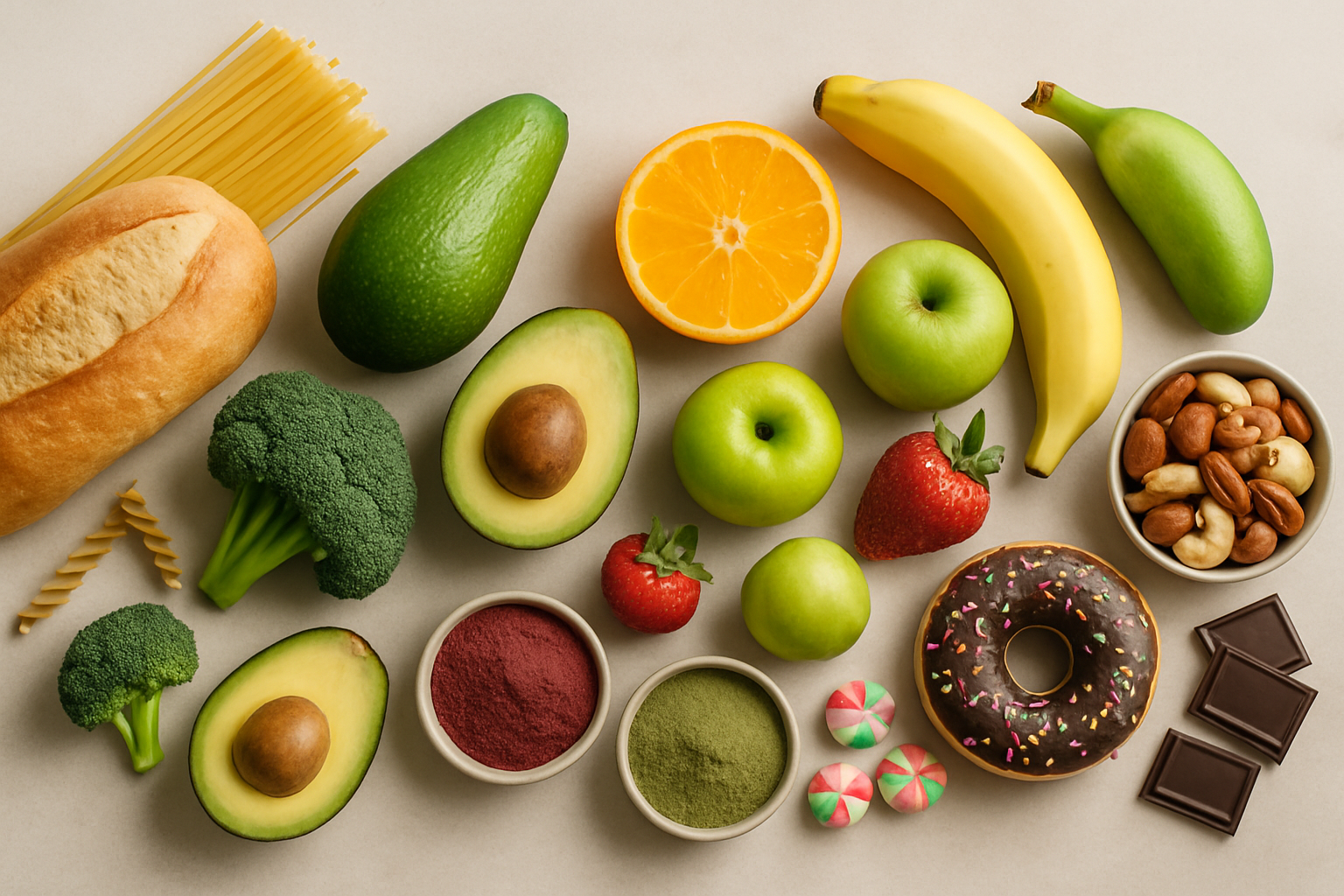
Plant-based eating has become more common, yet misconceptions still shape how people view it. Some ideas come from outdated nutrition advice, and others from confusing online content.
Many people think a plant-based diet is either too restrictive or too loose, but neither description fits reality. Clear examples and balanced meals make it easier to understand what this eating style actually involves. Once people look at real ingredients instead of assumptions, most myths fall apart quickly.
Myth #1: “Plant-based diets lack protein”
This myth survives because people often compare plant based diet protein with a single serving of meat instead of a full day of meals.
Protein appears in legumes, grains, nuts, seeds and mycelium, so the issue is not scarcity. The key is spreading these sources across meals. Once you develop that habit, meeting daily needs becomes straightforward and does not require complicated planning.
Myth #2: “Plant-based food is just salads”
This idea usually appears when someone imagines plant-based eating as raw vegetables with little substance. In reality, plant-based meals include warm dishes, grains, soups, sauces and hearty bowls.
Most people are surprised by how many warm, filling plant-based meals exist once they look beyond raw salads. Using structured components—such as grains, vegetables, legumes or mycelium—creates meals with depth and comfort, not just freshness.
Myth #3: “Carbs in plant-based diets are unhealthy”
Many assume carbohydrates are a problem because they associate them with refined products. This idea overlooks the role of whole-food carbohydrates in balanced eating.
Grains, vegetables and legumes provide energy, fibre and nutrients. When used in bowls, they offer steady fuel without the spikes linked with heavily processed carbs. The issue is not whether you eat carbohydrates but which kinds you choose.
Myth #4: “Meat alternatives are all ultra-processed”
The category of vegan meat alternatives includes everything from heavily shaped products to simple options like tofu, tempeh and mycelium. Because the range is so broad, the idea that all substitutes qualify as ultra processed foods is inaccurate.
People usually treat vegan meat or vegan meat alternatives as occasional add-ons rather than daily essentials. This makes them one part of a wider plant-based diet, not the foundation of it. Most everyday meals rely on whole ingredients, not specialised substitutes.
Myth #5: “You can’t get essential nutrients like B12 without supplements”
Vitamin B12 appears naturally in animal products, which leads many to assume plant-based eaters cannot cover their needs. In practice, fortified foods provide a reliable source that fits easily into daily routines.
Other nutrients people worry about—iron, calcium and omega-3s—also appear in plant foods or fortified products. Awareness matters, but these nutrients are not barriers to following a plant-based diet.
Myth #6: “Plant-based food is too expensive or inconvenient”
Many form this opinion after comparing specialty products rather than everyday ingredients. When meals centre on grains, vegetables and legumes, a plant-based diet stays cost-effective.
Convenience has more to do with planning than with the diet itself. Batch cooking, repeatable structures and ready meals based on whole ingredients make plant-based eating practical even on busy days.
How Balanced Bowls Fit All Four Eating Styles
Balanced bowls work across all four diets because they rely on the same core structure: a base of grains or vegetables, a protein, fresh elements and a flavour component. You only adjust the protein depending on your eating style.
Vegan bowls may use lentils, tofu or quinoa. Vegetarian bowls can include yoghurt-based dressings or eggs. Flexitarian bowls use mostly plant proteins with occasional fish or poultry. Pescatarian bowls place seafood at the centre and surround it with vegetables and grains.
This format makes easy midweek meals simpler by letting you swap ingredients without changing how the dish is built.
Clarifying halal: when plant-based IS and is not automatically halal
Most whole foods meet halal standards, but some packaged items may include additives or flavour carriers that do not. Vegan labels also do not guarantee halal status, since alcohol-based extracts or non-halal processing aids can still appear in plant-based products.
Understanding the difference helps consumers make confident choices and avoid assuming that all plant-based foods fit halal requirements by default.
Practical tools for understanding labels
Label reading becomes more manageable once you know which elements matter. Ingredient lists show the base components of a product, while nutrition panels outline protein, fats and carbohydrates. Processing categories clarify whether an item is minimally processed, processed or falls into ultra processed foods.
Certifications such as halal, fortified or organic add another layer of clarity. These tools help you choose products that match what you want from a plant-based diet without relying on myths.
Why balanced bowls solve most myth-driven objections
Balanced bowls show that plant-based meals can be warm, filling and structured. They combine grains, vegetables, legumes and mycelium in ways that make protein intake easier to manage. Because these meals use whole foods, they counter myths about cost, convenience and limited options.
Bowls also demonstrate that plant-based diets are far more flexible than many people expect. They support steady energy, variety and everyday practicality, which is what most eaters want from their routine meals.
Join us on social media to stay inspired with new recipes, helpful tips, and the latest news from our kitchen