Protein Powders vs Real Food: When to Use Soy-Free, Natural & Organic Options
Protein powders offer quick, predictable support when convenience matters, while whole-food proteins provide fibre, nutrients and long-lasting energy. This guide explains when powders help, when real meals are better, and how mushroom powder enhances flavour rather than replacing protein sources.
Powders vs Plates: How to Choose Your Protein
Many people search for soy-free protein powder, natural protein powder, or organic protein powder. They have different reasons for this, like training goals, digestion issues, allergies, or a desire for simpler ingredient lists. At the same time, whole foods remain the main source of protein in most balanced diets. Understanding when a powder helps and when real food is the better choice makes it easier to meet protein needs without overthinking your routine.
This article explains the differences in a straightforward way and shows how mushroom powder fits in as a flavourful, functional ingredient rather than a traditional protein supplement.
Types of protein powders and what they’re used for
Protein powders fall into two broad groups:
- powders made for efficiency and performance
- powders chosen for dietary preferences
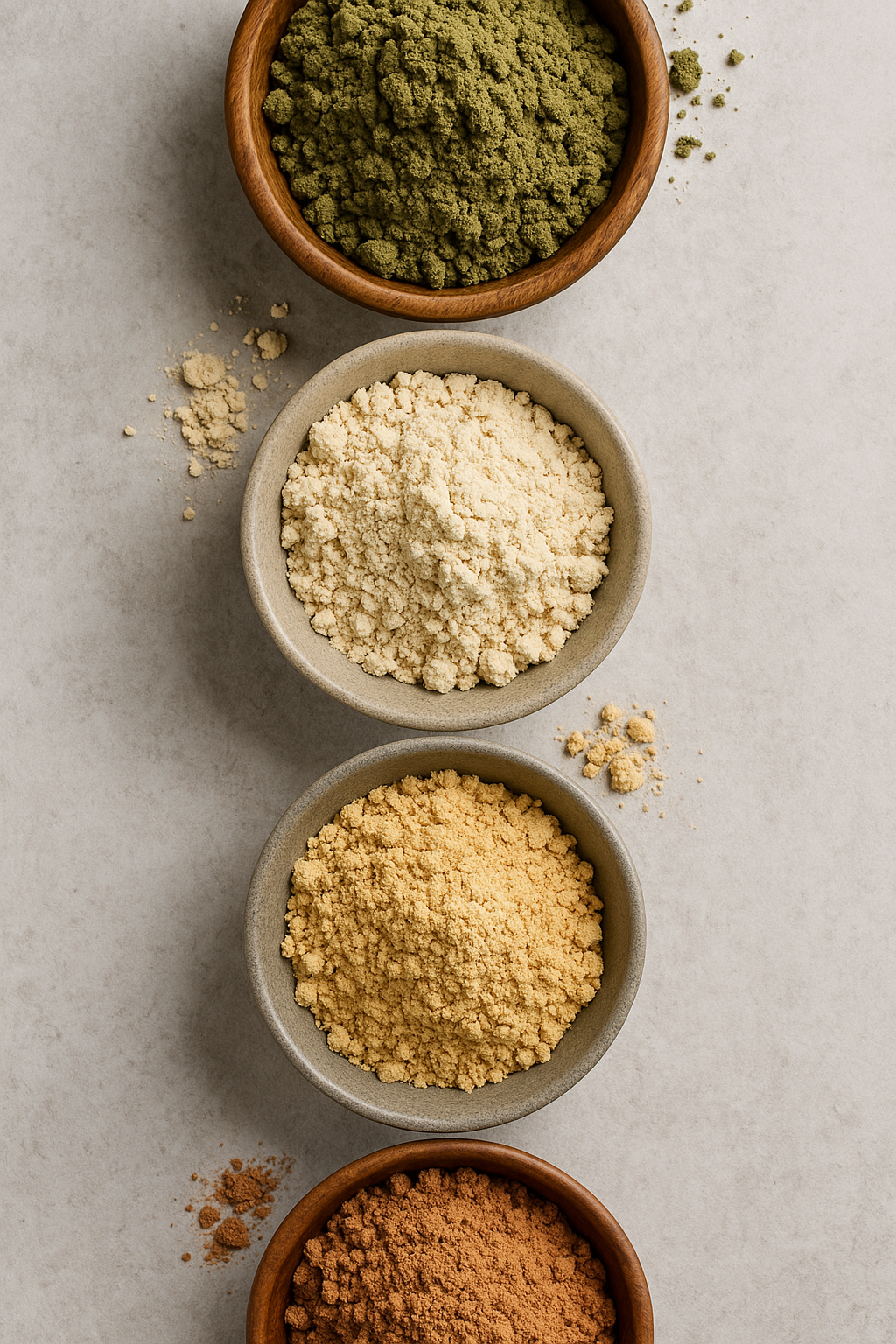
Whey and casein come from milk and are popular with athletes because the body absorbs them in a predictable way. Soy protein provides a complete amino acid profile and has been used in plant-based diets for decades. Pea and rice powders are now common alternatives for people looking for non soy protein powder or a protein powder without soy.
Mushroom powder sits in a different category. It is not a high-protein supplement but a flavourful ingredient that adds depth to meals along with compounds such as beta-glucans. It works more like a culinary enhancer than a traditional protein powder.
Why soy-free powders are becoming more popular
Interest in soy-free options continues to grow. People often choose them because they want gentler digestion, milder taste, or formulas without common allergens. Pea and rice powders dominate this space because they mix smoothly, offer stable textures and suit a wide range of diets.
Those who prefer simple ingredient lists often choose natural protein powder or organic protein powder. These products avoid artificial flavours and synthetic additives, which appeals to people who want a cleaner formula.
Powders vs whole-food proteins: what changes in practice
Protein powders provide a key benefit: they are quick to prepare. They give you a reliable amount of protein in seconds with almost no preparation. This is useful when you have limited time or need a quick recovery option after training.
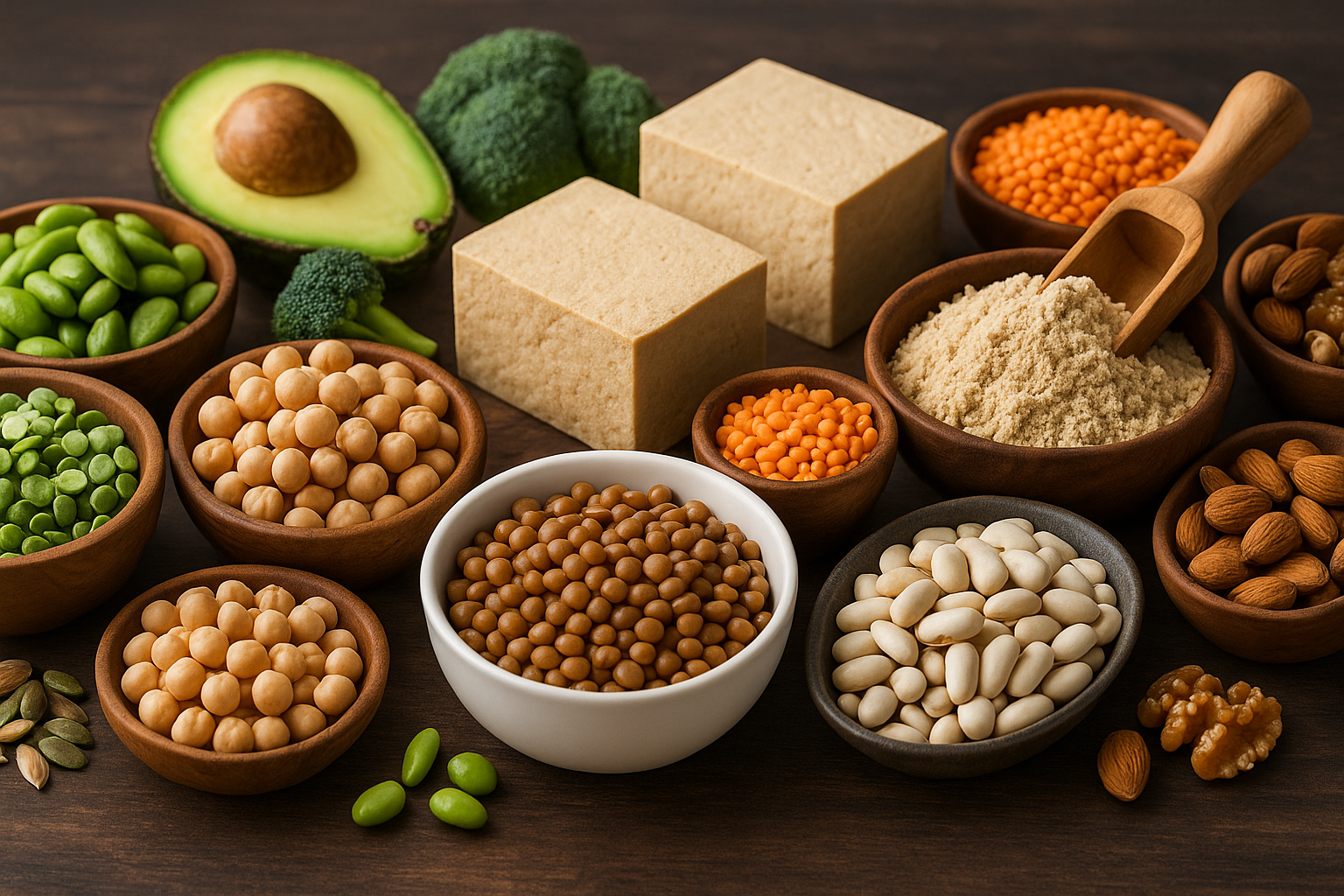
Whole foods offer something powders cannot: natural structure. Ingredients such as beans, lentils, tofu, mycelium-based proteins and chickpeas come with fibre, slow-release carbohydrates and micronutrients. This combination helps you stay full for longer and supports steady digestion and energy.
In simple terms: powders meet an immediate protein need, while meals support the broader nutritional picture.
Organic vs non-organic powders: what actually changes
The term organic protein powder often suggests higher quality, but most differences relate to farming methods. Organic certification limits pesticide use and synthetic inputs. However, the actual protein quality, amino acid content and absorption are similar between organic and non-organic versions of the same ingredient.
Choosing organic is usually about cleaner sourcing and environmental preferences rather than improved protein effectiveness.
Natural vs flavoured powders
Natural powders contain few ingredients. They mix smoothly into smoothies, soups or bowls because they do not dominate the overall flavour.
Flavoured powders contain sweeteners, cocoa, vanilla or gums to improve taste and texture.
The choice depends on how you plan to use them:
- natural powders fit into meals and recipes
- flavoured powders are convenient when used as a shake
- natural powders reduce the number of additives
Neither option is better overall. They simply serve different needs.
When protein powders offer real advantages
Powders work best in moments where convenience or precision matters. They are especially useful when:
- you need quick protein after training
- you are travelling or away from proper meals
- your appetite is low but your protein target is high
- you need predictable calories
- your diet requires allergen-free formulas such as soy free protein powder
In these situations, powders act as a practical tool — a supplement that fills a gap rather than a replacement for real food.
When whole meals outperform powders
Whole-food proteins are usually the better choice for full meals. Balanced bowls with grains, vegetables and structured proteins such as mycelium-based ingredients provide fibre, micronutrients and natural volume. These elements support smoother digestion and longer-lasting energy, especially on busy days when you want to avoid mid-afternoon fatigue.
Meals also take longer to digest, which increases satiety. Even the best natural protein powder cannot replace the benefits of chewing, slower digestion and the interaction of nutrients found in whole foods.
Where mushroom powder fits in
Mushroom powder is not a direct competitor to high-protein supplements. Instead, it enriches meals by adding savoury depth and functional compounds. It works well in soups, sauces and grain bowls, where it enhances flavour and contributes trace minerals and antioxidants.
It is a simple way to add richness to plant-forward meals, especially for people who enjoy experimenting with new ingredients.
Practical guidance for choosing between powders and meals
A helpful way to decide is to focus on your intention.
Use powders when:
- timing matters (post-workout or early morning)
- you need something portable
- you want a predictable protein dose
- you need soy-free or allergen-specific options
Choose whole meals when:
- you want steadier energy
- you are replacing a full lunch or dinner
- you want comfortable digestion
- nutrient diversity is important
Meals provide the core nutritional structure. Protein powders can support your routine, but they cannot replace the full benefits of real food.
Join us on social media to stay inspired with new recipes, helpful tips, and the latest news from our kitchen