
Whole-Food Protein Powerhouses & Essential Nutrients
Whole-food ingredients now play a bigger role in plant-forward eating because they provide protein, fibre and micronutrients in a form your body handles well. Many people look for vegetarian meals with protein that feel balanced and not built only on refined bases or heavily processed alternatives. Whole-food proteins give you structure, flavour variety and better nutrient density without long ingredient lists. Shoppers are also becoming more confident mixing staples like lentils or quinoa with newer options such as mycelium. This combination brings steady energy, supports satiety and keeps plant-based diet protein choices interesting. If you’re moving toward more plant-forward meals, these whole-food proteins give you a daily foundation you can rely on.
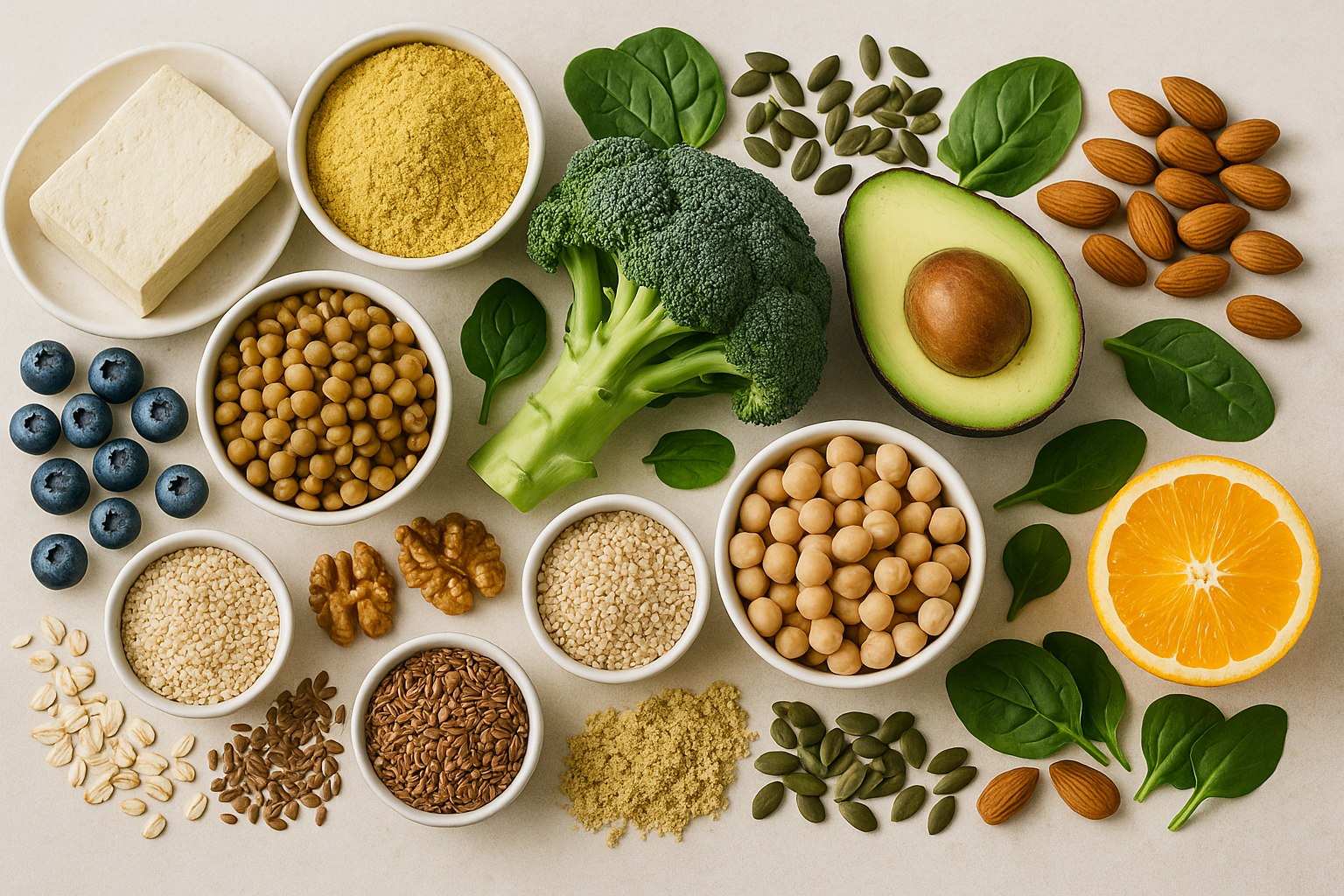
Mycelium as a next-generation clean protein
Mycelium is gaining attention as a clean, minimally processed protein with a neutral flavour that fits into warm or cold dishes. It cooks quickly, keeps its structure and blends smoothly with vegetables, grains or sauces. Unlike many substitutes, mycelium develops its fibrous texture naturally and doesn’t require complex shaping or long ingredient lists.
From a nutritional angle, mycelium supports protein intake while remaining light and easy to mix with other staples. Its mild taste makes it adaptable to herbs, spices and marinades, which helps you shape bowls to match the flavours you enjoy.
Lentils: red, green, black — comparing nutrition & uses
Lentils are one of the most reliable whole-food protein sources because they cook quickly and pair with almost any vegetable or grain. Each type brings a different texture and flavour, which keeps meals varied.
- Red lentils cook into a soft base and work well for dahls, sauces or creamy bowls.
- Green lentils stay firm and add a pleasant bite to salads and warm bowls.
- Black lentils offer a nutty taste and glossy appearance, creating a richer feel in simple dishes.
All three types work well in vegetarian meals with protein because they blend easily with herbs, sauces and plant fats.
Quinoa as a complete protein & gluten-free base
Quinoa supports plant-forward eating because it is naturally gluten-free, cooks quickly and counts as a complete protein. It absorbs flavour well, so you can pair it with bold sauces or keep it simple with light dressings. Quinoa is firm enough to serve as a bowl base yet light enough to mix with vegetables or ancient grains.
On days when you want more protein without relying entirely on legumes or mycelium, quinoa provides a stable base that keeps your bowl structured and satisfying.
Ancient grains and their amino acid profiles
- Ancient grains such as millet, farro, amaranth and barley bring texture, depth and micronutrients to everyday meals. Their flavours vary, but all contribute steady energy and useful protein.
- Millet has a soft, slightly sweet profile and works well in warm bowls.
- Farro adds a chewy texture that pairs with roasted vegetables.
- Amaranth provides a light, earthy note and blends smoothly with quinoa for a more complete amino acid pattern.
- Barley creates a fuller texture and suits colder-weather meals.
When you combine ancient grains with lentils or mycelium, you create bowls with stronger amino acid coverage, which supports long-term plant-forward eating.
Nutrients plant-forward eaters watch: B12, essential amino acids, iron
Vitamin B12 comes mainly from animal products, so plant-forward eaters usually get it through fortified foods or supplements. This keeps levels stable without requiring major dietary adjustments.
Essential amino acids must come from food because the body cannot make them. Combining grains with legumes or pairing ancient grains with mycelium helps maintain a fuller profile across the day.
Your body absorbs iron from plant foods more effectively when you combine them with vitamin C sources like tomatoes or peppers. These small adjustments make everyday bowls more nutritionally effective.
Nutritional yeast as a flavour + micronutrient booster
Nutritional yeast adds a savoury, cheese-like note that elevates vegetables, grains and mycelium. It dissolves well into sauces and mixes easily into quinoa or lentils. Many nutritional yeast varieties come fortified with vitamin B12, which helps plant-forward eaters cover this micronutrient without relying on supplements alone.
It also supports the texture of warm bowls by thickening sauces and coating grains. This makes it a simple way to increase both flavour and nutrient density.
How to build balanced bowls using these proteins
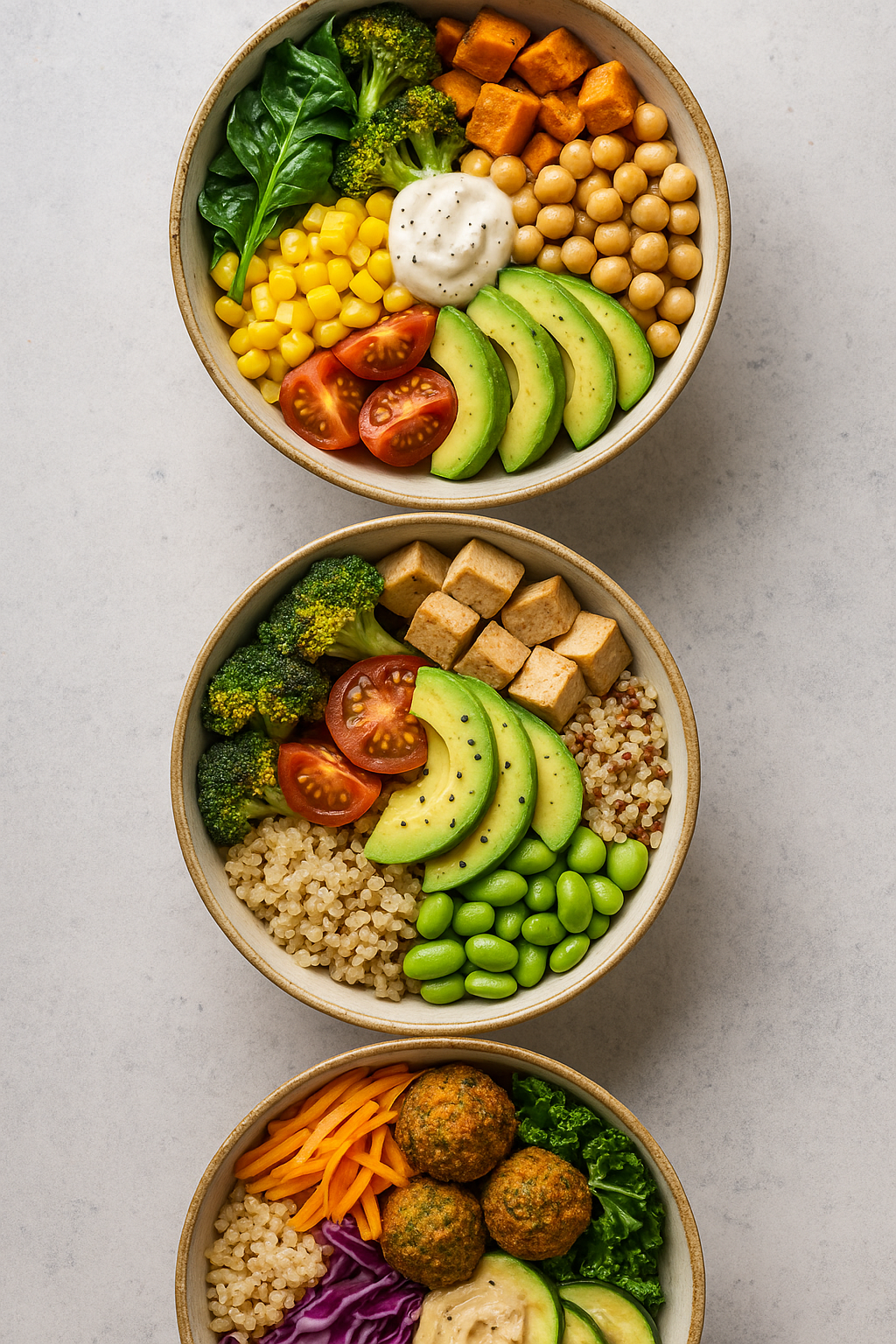
A balanced bowl starts with a simple structure: a protein, a slow-release carbohydrate, vegetables and a source of flavour. Whole-food proteins make this process easier because they adapt well to different seasonings and cooking styles.
Use a steady base such as quinoa or ancient grains. Add a protein like mycelium or lentils and build contrast with roasted, crisp or fresh vegetables. Bring everything together with a citrus dressing, herb sauce or a warm topping. A spoon of nutritional yeast adds depth without overwhelming the dish.
The aim is to build meals that feel well-rounded, keep you energised and use ingredients with clear nutritional value.
Sample bowl combinations (practical, simple)
Quinoa + green lentils + roasted courgette + lemon dressing + nutritional yeastBright, balanced and ideal for meal prep.Red lentils + mycelium + carrots + warm spices + herbs.Soft and comforting, suitable for colder days.Black lentils + ancient grains + roasted squash + tahini-based sauceRicher and structured, perfect for lunch or dinner.Amaranth & quinoa mix + mycelium + cucumber + ginger–lime dressingLight and fresh, ready in minutes.
Each bowl combines grains and legumes or mycelium to support essential amino acids while keeping flavours varied.
Why whole-food proteins complement mycoprotein meals
Whole-food proteins bring minerals, fibre and steady energy, while quinoa provides a complete foundation for days when you want more structure. Nutritional yeast boosts flavour and helps with vitamin B12 intake.
Mycelium adds texture and extra protein without heavy seasoning. When combined with grains or lentils, it creates meals that feel balanced and grounded in simple, real ingredients. This mix keeps plant-forward eating flexible, practical and enjoyable across the week.
Join us on social media to stay inspired with new recipes, helpful tips, and the latest news from our kitchen